Why Football Handicap Lines Move Before Kickoff: A Balanced Review of 26xoilactv.com
It is 19:42 on a Saturday night. You saved a handicap line for the late match earlier in the day: the home team at -0.75. You come back for one final check, and suddenly it is -1. The away side now carries a slightly better price. No injury was announced in any of the news you follow. What just happened?
This exact moment—watching a line shift in the minutes before kickoff—confuses many football fans. It also creates opportunity for the small group who understand why numbers move. As an independent reviewer, I looked closely at how a platform like xoilactv presents these changes, and whether the average bettor actually gains anything from watching them. Below is what I found, written for people who want a calm, honest evaluation rather than another hype-filled recommendation.
Five Key Findings About Pre-Match Line Movement
Before diving into the details, here are the takeaways that matter most when you are watching odds ahead of kickoff:
- Handicap lines move for concrete reasons. Team news, weather, market pressure, and late money all play a part. The movement is rarely random.
- The most important shifts occur in the final 30 minutes. Official starting lineups are confirmed, and the market reacts quickly.
- Refresh speed matters more than most bettors realize. The gap between an odds update on a website and the same information reaching your screen is often what determines whether you are early or late.
- Early lines are not automatically better than late lines. They answer different questions, and each approach carries its own trade-offs.
- Tracking movement is optional for casual fans. For anyone who bets with some regularity, ignoring it is similar to estimating a score without checking the teams.
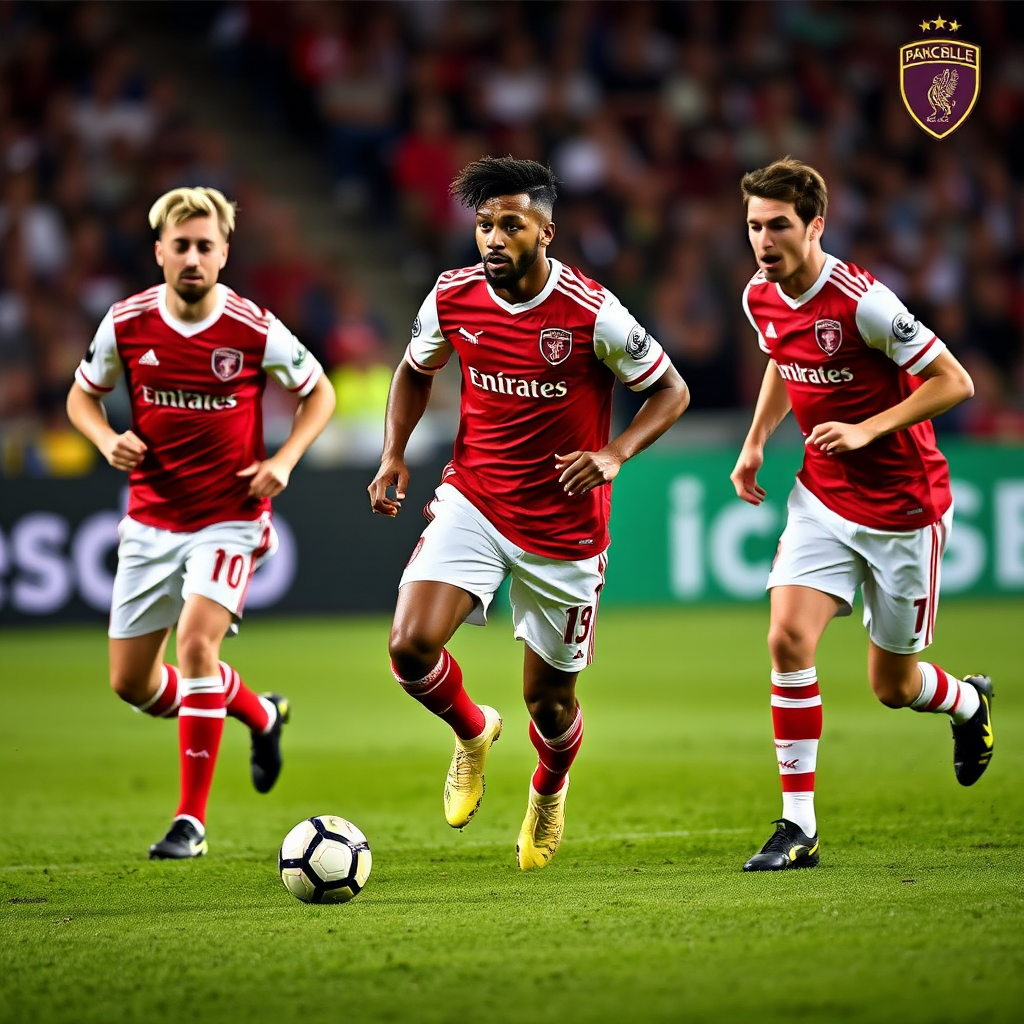
 Hình minh hoạ: xoilactv
What Actually Moves a Handicap Line?
A handicap number is not a static prediction. It is a living product that shifts as expectations shift. When one of the underlying elements changes, the line adjusts to reflect the new reality.
Official Team News
The biggest driver of last-minute movement is the confirmed starting eleven. A missing centre-back can pull a home side from -0.75 to -0.5 in minutes. A surprise return of a key forward can push a line from -1 to -1.25. Bettors who wait for those announcements gain a real information advantage; those who bet hours earlier absorb the risk of guessing wrong.
Market Activity and Heavy Money
When large sums land on one side, operators shift the handicap to balance their exposure. This is not a conspiracy; it is standard risk management. If money pours in on the away team at +0.5, the bookmaker may move the line to +0.25 to make the home side more appealing to new bets. Following the money blindly is risky, but knowing that money causes movement helps you interpret what you seeing.
Weather and Pitch Conditions
Rain, wind, or an icy pitch can change how a match is likely to be played. Heavy rain often levels the field, compressing handicap gaps. Extremely hot conditions can slow down a pressing team. Some platforms adjust their lines for these external factors; others leave that work to the bettor.
Information Cascades
Once a line moves, other bettors react to the movement itself. That is called an information cascade. A half-point shift can trigger additional money on the same side, pushing the line further. This is why a line sometimes drifts continuously without an obvious new reason; someone moved first, and everyone else followed.
How 26xoilactv Presents These Changes
When evaluating the football interface at 26xoilactv.com, which forms part of the broader oplaygaming.com offering, my main interest was not the visual design but the way changes are communicated. The most useful question to ask about any odds platform is simple: can you quickly see what the line used to be, compared to what it is now?
A single static number on a page tells you nearly nothing. You need the opening line, the current line, and ideally the time of the change. The live sections on this platform display current values clearly, but earlier lines are not always visible on the same screen. That is not a unique flaw; it is fairly common across similar sites. The practical workaround is to record the opening line yourself and compare it to the value you see later.
Refresh speed is another point worth checking. Serious bettors should benchmark how quickly the page updates during popular match windows. If you are unsure about account or technical matters, the contact page—reachable through the liên hệ link—is the right place to ask before relying on a delayed display.

Early Lines vs. Late Lines: A Practical Comparison
To help you decide whether tracking movement is worth your time, here is a direct comparison between betting at opening odds and actively following line changes:
| Factor | Tracking Line Movement | Betting at Opening Odds |
|---|---|---|
| Information advantage | High, when you combine shifts with confirmed team news | Low, because you lock in a number before the market reacts |
| Price quality | Often better after sharp money identifies value | Potentially better if you predict a shift before it happens |
| Time commitment | High; you must monitor the market for hours | Low; you place your bet and move on |
| Emotional risk | Higher, because every small shift invites second thoughts | Lower, because your decision is final |
Neither approach is objectively superior. The right one depends on how much time you have, how comfortable you are with uncertainty, and whether you can watch a line move without letting it control your emotions.

Who Should Follow Handicap Line Movement?
People Who Fit This Approach
If you already follow football news closely—starting lineups, injuries, rotation patterns—tracking line movement will feel natural. You are not adding a completely new task; you are connecting facts you already gather to a number you already watch. The approach also suits bettors who understand that they are competing against the market, not against the game itself.
Seeing a line shift and knowing the reason puts you in a small minority. Seeing a line shift without knowing the reason should usually result in restraint. That judgment is a skill, and it improves with practice.
Who Should Skip It
Not everyone needs to watch lines change. If you place small, occasional bets purely for entertainment, spending extra minutes refreshing odds will not meaningfully improve your experience. The same applies if you feel anxious whenever a line moves against your original pick; watching the movement may cause you to doubt a decision you had already reasoned through.
People prone to chasing losses should avoid this practice altogether. Line movement is information, not a command to bet more. If you cannot separate observation from action, the entire exercise can hurt your bankroll. Understanding movement carries value only when it leads to discipline, not impulse.
Practical Recommendations Before Kickoff
If you decide to track handicap lines before kickoff, here is a straightforward routine that came out of my own evaluation:
- Record the opening line. When the odds first appear, write down the handicap and the home price. This becomes your reference point.
- Set a reminder for one hour before kickoff. This window contains most of the decisive team news.
- Compare the current line to your recorded opening line. Ask one question: does the movement line up with a piece of news you can actually name?
- If you cannot name the reason, stay out. Do not invent a story to justify a bet you were already considering.
- Set your stake limit in advance. Decide the maximum amount you are willing to risk before you look at the odds. Then hold that number firmly.
- Stay consistent with your device. Jumping between desktop and mobile can create small differences in refresh timing, which matter more than most people think.
These steps will not turn every bet into a winner. They are designed to remove guesswork from an activity that already contains enough uncertainty.
Frequently Asked Questions
Why do handicap lines move so much in the final 30 minutes?
Because that is when official team lineups are announced. Injuries, rotations, and tactical decisions become public, and the market adjusts. Late betting volume accelerates the movement even further.
Does a moving line mean the bookmaker expects one team to win?
Not directly. A line shift reflects what the market is doing, and sometimes it reflects an attempt to attract money to the other side. Movement records changing expectations; it is not a prediction of the final result.
Should I always wait until just before kickoff to bet?
No. If the current line still contains the value you identified earlier, waiting adds nothing. The goal is not to always wait, but to understand what you lose or gain when you bet early instead of late.
Can I rely on the live odds page to update faster than official sources?
No. Every platform depends on data providers, and refresh speeds vary. The official starting lineup is the true source of information; the odds page is just a secondary interpretation of it.
The Conditional Verdict
Following football handicap lines before kickoff is not a secret formula. It is a habit that rewards people who already have patience and punishes those who act on fear. If you are willing to record lines, wait for confirmed team news, and walk away from a bet when you have no genuine reason to take it, then a platform with reliable odds display—such as the one reviewed here—can serve as a practical part of your pre-match routine.
But if you are searching for a way to turn casual betting into guaranteed profit, no line movement, no odds page, and no refresh update will change the outcome. The honest conclusion is conditional: use the information, respect your limits, and treat every session as a form of entertainment rather than a source of income.